
Let’s be honest, the digital world is a wild frontier, especially when you’re a parent trying to keep your kids safe. It feels like every other day there’s a new app, a new platform, or a new challenge to navigate. And, if you’re anything like me, you’ve probably spent countless hours wrestling with various parental control apps, router settings, and even your own sanity trying to manage your child’s online experience. It’s exhausting, right?
But here’s the thing: a significant shift is happening. Imagine having a tool that could manage your child’s online activity not just on one device, but across their entire mobile connection, regardless of the app or Wi-Fi network they’re using. Well, stop imagining, because new SIM card technology is making this a reality. Parents can now control their kids’ online activity with these innovative SIM cards, offering a level of oversight that’s both intriguing and, let’s admit, a little bit daunting to consider.
My goal today isn’t just to tell you what’s happening. Anyone can do that. Instead, I want to unpack the why behind this emerging trend. What are the implications? What hidden contexts should we be aware of? And perhaps most importantly, how do we, as parents, responsibly wield this powerful new digital parenting tool without inadvertently stifling our children’s growth or invading their privacy?
The Big Picture | What Exactly Are These New SIM Cards?
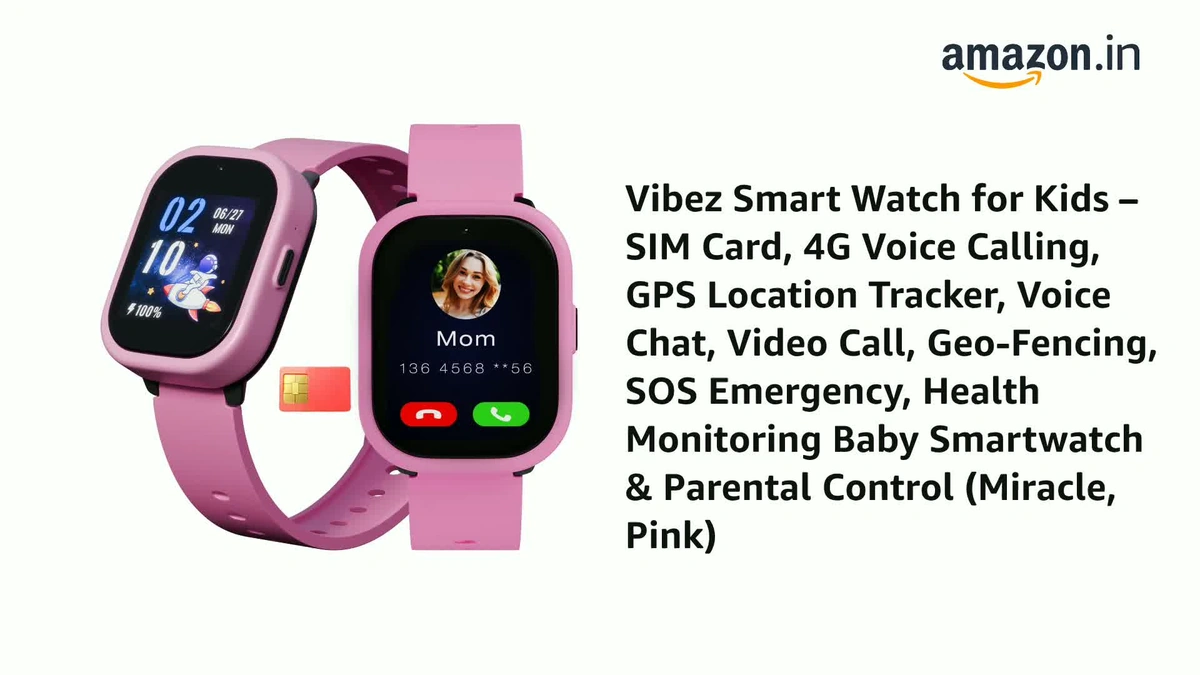
Okay, so let’s get down to brass tacks. We’re not talking about your grandma’s flip phone SIM card here. These aren’t just tiny chips that connect your kid to a network; they’re embedded with advanced mobile network parental controls . Think of them as a smart gateway, a digital gatekeeper at the very entry point of your child’s online world. Instead of installing an app on their phone that they might find a way around, these controls are baked into the network itself.
So, what can they actually do? A lot, actually. These specialized SIM cards often come equipped with capabilities for internet filters for children , blocking access to inappropriate websites and content categories at the network level. This means if YouTube’s Restricted Mode gets bypassed, or they stumble upon a questionable site outside of a browser’s safetynet, the SIM can still step in. Some even allow for granular control over app usage, not by blocking the app itself, but by restricting its internet access during certain times.
Beyond content filtering, many of these solutions offer robust screen time management features. Parents can set daily limits for data usage or internet access, ensuring that midnight scrolling sessions become a thing of the past. And yes, for better or worse, location tracking is often a core feature, providing parents with peace of mind about their child’s physical whereabouts. The beauty of it, from a practical standpoint, is its universality; it applies to any device the SIM is in, offering a consistent layer of child online safety that traditional app-based solutions sometimes struggle to provide.
Beyond the Basics | The Deep Dive into Digital Parenting
Now, let’s talk about why this technology is gaining traction. The simple answer? Parents are stressed. The digital landscape is evolving faster than many of us can keep up, and the challenges for kids today are immense. Cyberbullying, exposure to inappropriate content, excessive kids’ smartphone usage , the pressures of social media, online predators – the list is long and genuinely frightening. Traditional parental control apps, while helpful, often feel like a constant game of cat-and-mouse, with savvy kids finding workarounds faster than developers can patch them.
This is where the SIM-based approach offers a compelling advantage: simplicity and reliability. For many parents, the idea of a ‘set it and forget it’ solution, or at least one that’s harder to circumvent, is incredibly appealing. It moves the control point further up the chain, making it more robust. This evolution in digital parenting tools reflects a growing demand for more integrated and less intrusive (from a child’s perspective, ironically, as they might not even know it’s there) ways to manage their digital lives. It’s about giving parents a more powerful lever in the ongoing effort to cultivate digital well-being within their families.
However, it’s not all sunshine and perfect online safety features . As an analyst, I see a few potential pitfalls. While these SIMs offer a technical solution, they don’t replace the crucial conversations we need to have with our children. Relying solely on technology can create a false sense of security, potentially preventing kids from developing their own critical thinking skills about online dangers. It also raises questions about data privacy for minors – who controls the data these SIMs collect, and how is it used? These are the deeper questions we need to wrestle with as this technology becomes more mainstream.
The Fine Line | Privacy, Trust, and Teaching Digital Citizenship
This, for me, is the most crucial discussion point. When parents can essentially ‘see’ everything their child does online, where do we draw the line between protection and privacy? It’s a tightrope walk. On one hand, every parent wants to protect their child from harm. On the other, as children grow, they need space to explore, make mistakes (within reason), and develop autonomy – including digital autonomy. A constant, invisible oversight, even if well-intentioned, could erode trust and prevent a child from developing healthy digital habits and self-regulation skills.
What fascinates me is the idea that these tools, while powerful, should ideally be temporary scaffolding, not permanent walls. Our ultimate goal as parents isn’t just to keep our kids safe online; it’s to equip them to be safe online themselves. This means fostering critical thinking, resilience, and an understanding of responsible tech use . It means open, honest conversations about what they encounter, why certain rules are in place, and how to react to challenging situations. The SIM card can filter out the worst, but it can’t teach judgment.
Let me rephrase that for clarity: technology is a powerful assistant, but it’s not a substitute for active parenting. It’s about finding that delicate balance where technology supports your efforts without replacing your voice. If these new SIM cards are used merely as a lock-down mechanism, without accompanying dialogue and education, we might win the battle against immediate threats but lose the war for genuine digital literacy and trust within the family. As per insights from organizations focused on child digital welfare, open communication remains the cornerstone of effective family digital rules .
Navigating the New Landscape | What Parents Need to Know
So, you’re thinking about diving into the world of SIM-based parental controls? Great. But before you do, let’s talk practicalities. Not all providers offer the same features, and the devil, as always, is in the details. You’ll want to ask specific questions about the extent of their content filtering, the flexibility of their monitoring tools , and crucially, their data privacy policies. Understand what information is collected, how it’s stored, and who has access to it. Because let’s face it, we’re talking about your child’s digital footprint here.
Another consideration: how does this integrate with your existing family tech? Do you still need a parental control app for tablets or computers that don’t use a cellular connection? Often, these SIMs are part of a broader family tech solutions ecosystem, but it’s vital to ensure there are no gaps in your strategy. And remember, no system is 100% foolproof. Clever kids can and will try to find workarounds, from swapping SIMs (if physically possible and not locked) to using public Wi-Fi. The best defense is a multi-layered approach that includes both technology and ongoing conversations.
My advice? Start small. Research various providers offering these enhanced SIM cards. Read reviews. Compare features. Think about your family’s specific needs and your child’s age and maturity level. What works for a 10-year-old might be overly restrictive for a teenager. The goal is to empower, not just restrict. For instance, if you’re trying to manage what types of entertainment your child consumes, you might want a tool that allows for specific content blocking, which can sometimes be more effective than generic filters when trying to avoid, say, the negative influence of certain online games, similar to how we discern major video game releases for quality and age-appropriateness. This thoughtful consideration can ensure that the technology truly serves your family’s best interests.
FAQ | Your Burning Questions About SIM-Based Parental Controls
What exactly can these new SIM cards control?
These advanced SIM cards typically allow parents to control internet access, block specific websites or content categories, set data usage limits, manage screen time by restricting online access during certain hours, and often include location tracking. It’s a comprehensive approach to parental guidance technology at the network level, offering a consistent layer of protection regardless of the device the SIM is in. For example, similar to how one might carefully choose between good and bad games for their child, these SIMs can filter out undesirable content across all online activities. You can read more about evaluating digital content, even things like the three best (and worst) video games in a given month, to understand how different types of digital consumption are assessed.
Are these SIM cards a replacement for talking to my kids about online safety?
Absolutely not. While these SIM cards provide a robust technical safety net, they are not a substitute for ongoing, open conversations with your children about online safety, digital citizenship, and responsible internet use. Technology should support, not replace, active parenting and communication.
What about my child’s privacy?
This is a critical concern. These SIM cards do involve a degree of monitoring and data collection. It’s essential to research the provider’s privacy policies and discuss with your child, transparently, what controls are in place and why. The aim is to balance protection with fostering trust and a sense of growing autonomy.
How do these compare to traditional parental control apps?
SIM-based controls work at the network level, meaning they apply to any device using that SIM and are often harder for tech-savvy kids to bypass compared to app-based solutions. Apps, however, might offer more granular control over specific app usage or device settings not tied to internet access, and often work across Wi-Fi as well as cellular data. Many parents find a combination of both provides the most comprehensive solution.
Are these SIMs available for all carriers?
No, not all mobile carriers currently offer these specialized parental control SIM cards. Availability varies by region and provider. You’ll need to check directly with your current or prospective mobile network providers to see if they offer such services and what features are included.
What should I do if my child tries to bypass the controls?
If your child attempts to circumvent the controls, it’s an opportunity for a conversation rather than immediate punishment. Discuss why they feel the need to bypass the controls and reinforce the importance of the family’s digital rules. This could indicate a need to adjust settings, or perhaps a deeper issue that needs addressing through dialogue and mutual understanding.
So, here we are, standing on the cusp of a new era in digital parenting. These new SIM cards aren’t just a gadget; they represent a fundamental shift in how we approach kids’ online activity and parental control. They offer immense potential for peace of mind, but they also demand a thoughtful, analytical approach from us as parents. The real power isn’t in the technology itself, but in how we integrate it into a broader strategy that nurtures responsible, digitally literate, and ultimately, thriving young people. It’s not about perfect control; it’s about informed, loving guidance in a rapidly changing world. And frankly, that’s a journey we’re all on together.


