


Alright, let’s grab a coffee and talk about something that’s probably been brewing in the back of your mind if you’re a parent, a gamer, or just someone who occasionally scrolls through the wild world of the internet: the government is actually studying the need for safeguards on online video games . And honestly? It’s about time we had this conversation, not just as a headline, but as a deeper dive into why this matters so much right now.
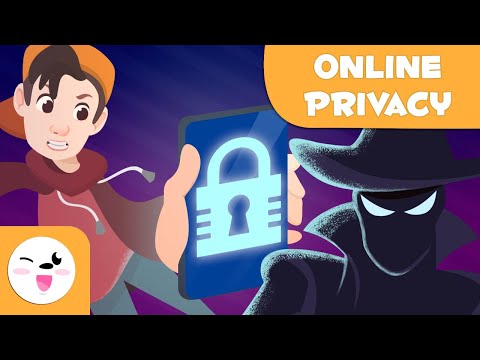
Here’s the thing: online gaming has exploded. It’s no longer just a niche hobby for a select few. It’s a multi-billion dollar industry, a social hub, and for millions of Americans, a daily escape or a competitive arena. But with this explosion, the shadows have grown longer, too. We’re talking about pervasive inappropriate content and the insidious spread of cyberbullying . This isn’t just about kids playing ‘Fortnite’ anymore; it’s about the very fabric of our digital interactions and, frankly, the safety of countless individuals. So, why are legislators finally paying serious attention?
The Shifting Sands of the Digital Wild West | Why Now?


Think back even five or ten years ago. Online gaming was big, sure, but it wasn’t the ubiquitous cultural force it is today. Now, games are streamed by millions, professional esports players earn staggering sums, and virtual worlds are as much a social hangout as physical ones. This sheer scale and immersion mean that the unregulated aspects of the ‘digital wild west’ are hitting closer to home than ever before.
What fascinates me is how rapidly public awareness has shifted. Parents, educators, and even gamers themselves are increasingly vocal about the dark underbelly: the incessant harassment, the explicit language, the hateful rhetoric that can permeate a seemingly innocent game. This isn’t just a few bad apples; it’s a systemic issue tied to what we call online toxicity , and it’s become a significant source of concern. The government isn’t just waking up on a whim; they’re responding to a growing chorus of pleas for better protection, especially for younger players.
The challenge, of course, is that these platforms are often global, user-generated, and incredibly dynamic. It’s one thing to rate a movie, but how do you regulate millions of live interactions per second? That’s the core of the problem, and why traditional approaches often fall short when addressing modern online gaming risks .
Beyond the “Just Mute Them” Mentality | The Deeper Implications
Let’s be honest, for a long time, the prevailing wisdom for dealing with online nastiness was, “Just mute them” or “Block them.” While these tools are essential, they often don’t address the root problem or the profound impact these experiences can have. We’re talking about real people, often young and vulnerable, exposed to relentless negativity. The mental health effects of sustained cyberbullying are well-documented, leading to anxiety, depression, and even, tragically, suicidal thoughts. It’s not just an inconvenience; it’s a crisis.
Moreover, the constant exposure to inappropriate content – whether it’s hateful speech, graphic imagery, or predatory grooming attempts – can desensitize players, particularly children. It warps their understanding of normal social interaction and acceptable boundaries. While many parents attempt parental guidance , the sheer volume and speed of content in live multiplayer games make it an almost impossible task to monitor effectively. This brings into sharp focus the need for more robust digital safeguards gaming that don’t solely rely on individual users to filter out the worst of the internet.
What I initially thought was a straightforward issue of content filtering, I’ve come to realize is deeply intertwined with psychological well-being and the development of digital citizenship. It highlights why this isn’t just a technical problem for game developers; it’s a societal one for all of us.
What Safeguards Are We Talking About? A Look at Potential Paths
So, if the government is studying the need for safeguards, what exactly does that entail? It’s not a simple switch. This isn’t about banning games or stifling innovation, but rather creating a framework for safer digital spaces. One area of focus could be enhanced age verification technologies, ensuring that content rated for mature audiences actually reaches only those audiences. The current ESRB ratings system, while helpful, primarily applies to the game’s inherent content, not the dynamic, user-generated interactions within it.
Another crucial path involves bolstering gaming content moderation . This means requiring game developers and publishers to invest more heavily in AI-driven tools and human moderators who can proactively detect and remove abusive content and behavior. We might see stricter penalties for repeat offenders, making it less attractive to engage in harmful activities. Consider the sheer volume of games released each month, from indie darlings to massive multiplayer online experiences like the ones detailed in major video game releases . Each one presents a new challenge for moderation.
There’s also the question of digital safety policy that could mandate certain reporting mechanisms, transparency from platforms on how they handle complaints, and even educational initiatives to empower players to recognize and report abuse. This government intervention gaming seeks to establish a baseline of protection that the industry currently lacks across the board.
The Tightrope Walk | Balancing Protection and Innovation
Now, let’s talk about the elephant in the room: striking a balance. No one wants heavy-handed regulation that stifles creativity or unfairly targets the gaming industry, which contributes so much to culture and economy. Game developers rightly worry about regulations that are too broad or difficult to implement, potentially hindering innovation and the very joy that makes these games so popular. The discussion isn’t about creating an antiseptic, controlled environment where fun goes to die.
Instead, the goal is to navigate a tricky path where robust digital safeguards can coexist with vibrant, innovative gaming. It’s about drawing clear lines around what is unacceptable – particularly when it comes to the well-being of children and vulnerable adults – while still allowing for diverse content and player expression. This means continuous dialogue between policymakers, industry leaders, child advocacy groups, and, crucially, gamers themselves. It’s a complex puzzle, but one that absolutely needs solving for the health of our digital future.
Frequently Asked Questions About Online Gaming Safeguards
What exactly is considered “inappropriate content” in games?
Generally, “inappropriate content” encompasses hate speech, discriminatory language, sexually explicit material, graphic violence outside the game’s rating, and predatory communications. It also includes user-generated content (UGC) that falls into these categories, which is often harder to regulate than the game’s core content.
How prevalent is cyberbullying in online gaming?
Studies and anecdotal evidence suggest that cyberbullying in games is unfortunately widespread. A significant percentage of online gamers, especially younger players, report experiencing some form of harassment, ranging from toxic chat to targeted attacks. It’s one of the primary drivers behind the call for more effective cyberbullying prevention games .
Will new regulations affect my favorite online games?
The specifics are still under study, but it’s likely that future regulations would push developers to implement stronger moderation tools, clearer reporting systems, and more transparent policies regarding user conduct. The aim is to make gaming safer, not to fundamentally alter gameplay, though some user-generated content or communication features might see stricter controls.
What can parents do now to ensure child safety online games?
Parents can utilize existing in-game parental controls, engage in open conversations with their children about online interactions, and play games together to understand the environment. Encouraging positive gaming experiences, perhaps exploring titles that have renewed love for video games , can also help foster a healthier relationship with digital entertainment.
Who is responsible for enforcing these potential safeguards?
Enforcement would likely be a multi-faceted effort. Primary responsibility would fall to game developers and publishers, who would need to implement the safeguards. Governmental bodies, potentially in partnership with industry associations, would oversee compliance and investigate breaches, ensuring broader internet safety for kids and all players.
This governmental study into inappropriate content and cyberbullying in online video games is more than just a political talking point. It’s a pivotal moment for digital culture. It signals a collective acknowledgment that our online spaces, particularly those as immersive and influential as gaming, demand a higher standard of care and protection. The goal isn’t to erase the vibrant communities or the sheer joy that games bring, but to cultivate a healthier, safer ecosystem where everyone, regardless of age or experience level, can engage without fear. This conversation isn’t over; in fact, it’s just getting started, and its outcome will shape the future of our digital playgrounds for years to come.


