

Alright, let’s grab a coffee and talk about something genuinely fascinating: Tesla, a company known for electric cars and… well, Elon Musk’s tweets, is doubling down on integrating video games into its vehicles. Now, I know what you might be thinking: “Isn’t a car for driving?” And yes, that’s true, mostly. But here’s the thing: cars, especially those in the Tesla ecosystem, are rapidly evolving beyond mere transportation. They’re becoming sophisticated, rolling tech hubs. And the internet, as it always does, has some truly wild, brilliant, and sometimes bewildering suggestions about what that means for in-car gaming.

My aim today isn’t just to report the news; it’s to peel back the layers and understand why this move into serious Tesla video games isn’t just a quirky side project, but a significant strategic play. What are the deeper implications for the future of electric vehicles, automotive innovation, and even how we perceive our personal spaces? Let’s dive in.
The “Why” Behind the Wheel | More Than Just Distraction

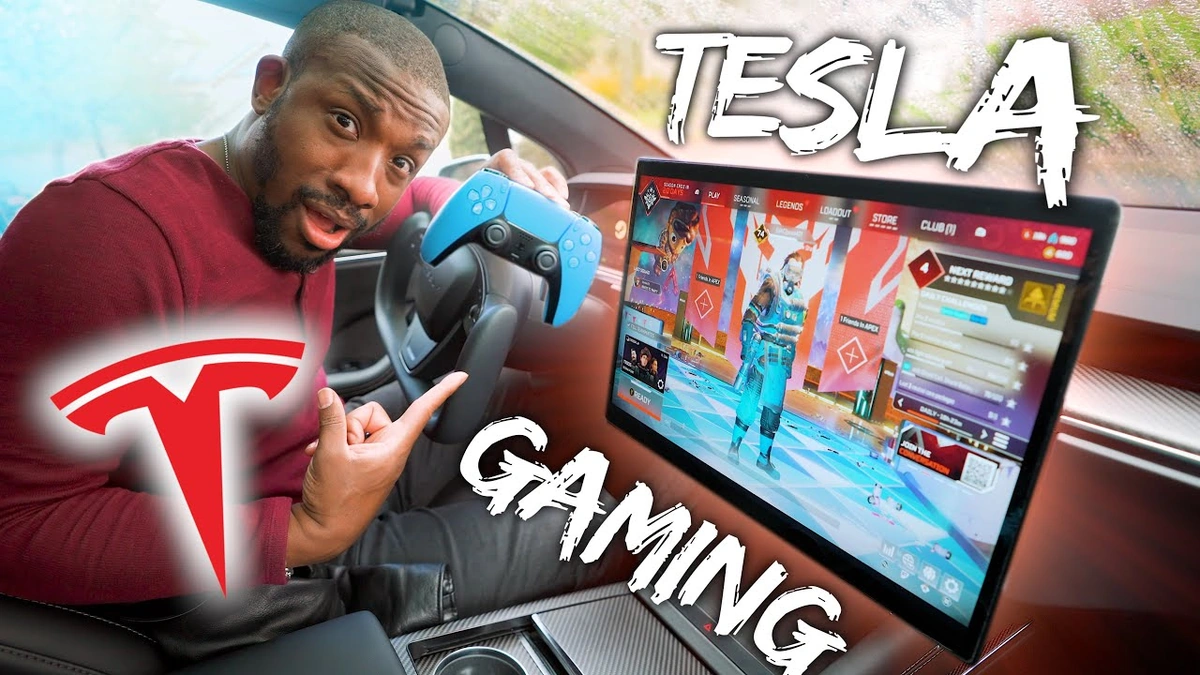
When you hear about games in a car, the immediate, and quite valid, concern often jumps to driver distraction. And absolutely, safety is paramount. But let me rephrase that for clarity: the push for in-car gaming, as articulated by the likes of Elon Musk, isn’t about playing Grand Theft Auto while cruising down the highway. It’s primarily about leveraging the vehicle’s downtime. Think about it: charging your Tesla can take 20-40 minutes at a Supercharger. Waiting for your kids after school. Stuck in a parking lot. These are moments ripe for engagement.
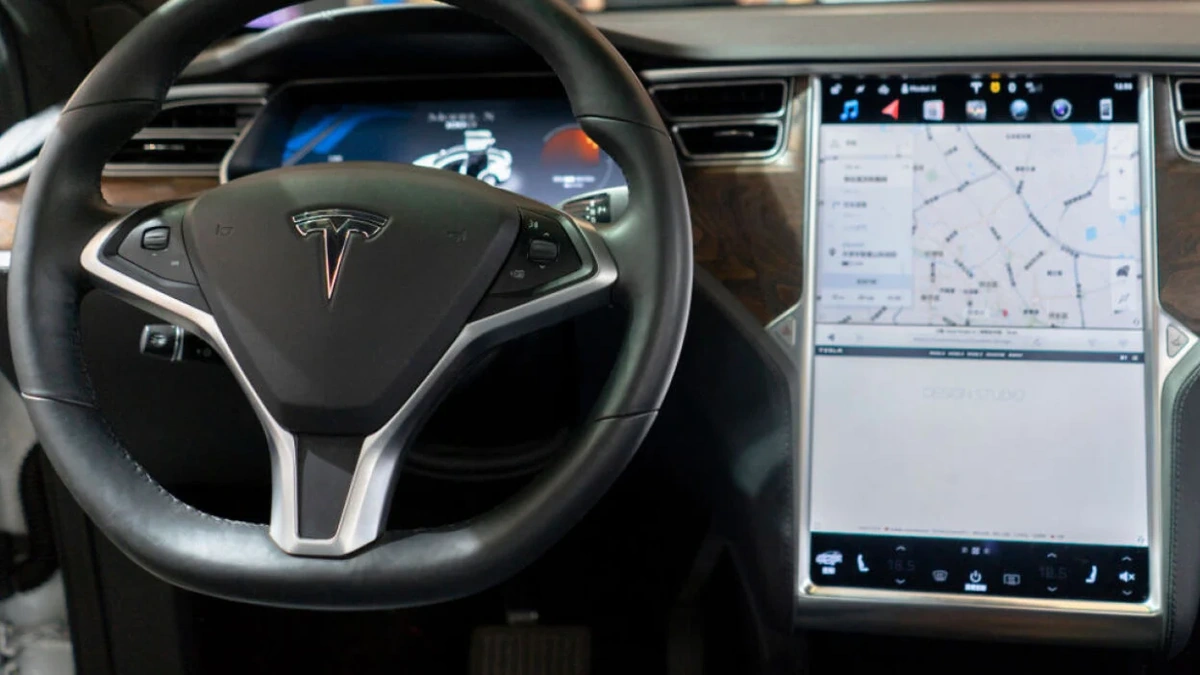
Tesla’s vision for its cars has always been about more than just getting from A to B. It’s about creating a connected, feature-rich experience. The powerful Tesla infotainment system with its massive, responsive screens and robust processing power is essentially a computer on wheels. This isn’t just for navigation or music; it’s a platform. And platforms, especially in the tech world, thrive on content.
From an analyst’s perspective, this is a multi-faceted strategic move. Firstly, it enhances brand loyalty. Offering a superior gaming experience and diverse vehicle entertainment options makes owning a Tesla more appealing. Secondly, it opens up potential new revenue streams, whether through subscriptions or game purchases, similar to how app stores operate. Thirdly, and perhaps most importantly, it showcases the vehicle’s immense computational capabilities, reinforcing the idea that Tesla isn’t just an automotive company; it’s a technology company. They’re basically building a software-defined car, where the hardware is a canvas for an ever-evolving digital experience. Regularly rolling out software updates Tesla pushes keeps the vehicle fresh and exciting, much like a smartphone.
Navigating the Digital Road | Challenges and Opportunities for In-Car Gaming
Now, let’s be honest, integrating sophisticated games into a car isn’t without its hurdles. The biggest, as mentioned, is safety. Tesla has been explicit (and legally bound) that many of these games are only playable when the vehicle is in park. While that mitigates the most egregious driver distraction risks, the public perception battle is real. Regulators are already scrutinizing such features, and rightly so. Ensuring clear, foolproof mechanisms to prevent gameplay while in motion is critical for building trust and avoiding accidents.
Then there are the technical challenges. While Tesla’s hardware is potent, delivering console-quality graphics and smooth gameplay on an automotive platform requires continuous optimization. Latency, control inputs (using the steering wheel or external controllers), and ensuring a seamless user experience across different vehicle models are all complex engineering tasks. But the opportunities are tantalizing. Imagine a multiplayer game played across multiple Tesla vehicles in a parking lot, or an augmented reality experience tied to the car’s exterior cameras. This isn’t just about porting existing games; it’s about pioneering new forms of gaming in electric vehicles.
We’re talking about an entire new frontier for what a car can be. It transforms the vehicle from a utilitarian object into a dynamic third space, nestled somewhere between your home and your office. For more on how vehicle entertainment systems are evolving, you can explore resources like Wikipedia’s page on vehicle infotainment .
The Internet Speaks | Decoding the Wild World of Internet Suggestions
And so, we arrive at the heart of the matter for many: what do people want to play in their Teslas? The internet, as always, has delivered. From nostalgic calls for classic arcade games like Asteroids or Pac-Man (which, coincidentally, Tesla has already implemented), to more ambitious dreams of full-blown RPGs or strategy games, the ideas are flowing. Some suggest practical games: mini-simulations for optimizing charging routes, or interactive tours of charging stations. Others lean into the unique capabilities of the car itself, like a driving simulator that uses real-world telemetry data, or an interactive scavenger hunt that leverages the car’s GPS and cameras.
What fascinates me here isn’t just the creativity, but the underlying desire. People want their tech to be integrated, seamless, and fun. They see the potential of a powerful screen and system in their car and want to unlock it. This community-driven feedback loop is incredibly valuable for automotive innovation. It’s not just Tesla telling us what we want; it’s a conversation. It’s a testament to the idea that the future of car technology isn’t solely in the hands of engineers, but also in the imaginative minds of users. This democratic process of idea generation highlights how deeply people are engaging with the concept of a multi-functional car.
It’s a similar kind of passion we see in other gaming communities, like the renewed interest in classic titles. For example, the buzz around Disney games being revitalized shows that there’s a huge appetite for engaging interactive experiences, no matter the platform. Tesla is tapping into this universal desire for play and entertainment.
Beyond the Joystick | What Tesla’s Gaming Push Means for the Future of Cars
Looking at the bigger picture, Tesla’s commitment to gaming is a strong signal for the entire automotive industry. It foreshadows a future where cars are increasingly seen as programmable devices, not just mechanical contraptions. This shift means that the value proposition of a vehicle will extend far beyond horsepower and fuel efficiency to encompass the quality and breadth of its digital offerings. We are moving rapidly towards a future where the software-defined car is the norm, where over-the-air updates can transform your driving experience and entertainment options overnight.
Other manufacturers are watching, and some are already trying to catch up in the race for superior Tesla entertainment. The competition won’t just be about range or acceleration anymore; it will be about the richness of the in-car experience. Will your car predict your favorite podcast, suggest a new game, or even serve as a mobile office during a charging break? The possibilities are immense. And yes, it raises questions about data privacy, connectivity costs, and the digital divide, but these are challenges that invariably come with any significant technological leap.
Ultimately, this isn’t just about playing Flappy Bird on your dashboard. This is about Tesla – and potentially the entire industry – redefining the very essence of what a car is. It’s about turning passive travel time into active engagement, leisure, and even productivity. It’s a bold statement that the journey can, and should, be as much an experience as the destination itself.
Frequently Asked Questions About Tesla In-Car Gaming
Can I play video games in my Tesla while driving?
No, for safety reasons, most Tesla video games and entertainment features are designed to be played only when the vehicle is in park. The Tesla infotainment system is programmed to disable active gameplay when the car is in motion to prevent driver distraction.
What kind of games will Tesla add based on internet suggestions?
The internet suggestions range widely, from classic arcade titles to more complex adventures and even practical, car-related mini-games. Tesla has already integrated some popular games and often updates its offerings. The future will likely see more immersive and interactive experiences, potentially unique to the automotive environment. The enthusiasm for games like Disney games also hints at the kind of broad appeal Tesla might be looking to capture with future additions.
How will these new games be delivered to my Tesla?
New games and updates to the gaming experience will be delivered through over-the-air software updates Tesla pushes out regularly. This means your vehicle can receive new features and content without needing to visit a service center, much like your smartphone or computer.
Are there any safety concerns with having video games in a car?
Absolutely, safety is a primary concern, and regulations are evolving. Tesla addresses this by primarily enabling gameplay only when the vehicle is stationary. Ongoing efforts aim to ensure that in-car gaming safety is prioritized, preventing any features from compromising the driver’s attention or control.
Will older Tesla models be able to get these new video games?
Compatibility can vary depending on the specific game and the hardware generation of your Tesla. While many software updates Tesla delivers are available across a broad range of vehicles, some graphics-intensive games might require newer hardware for optimal performance. It’s best to check official Tesla announcements for specific model compatibility.


