

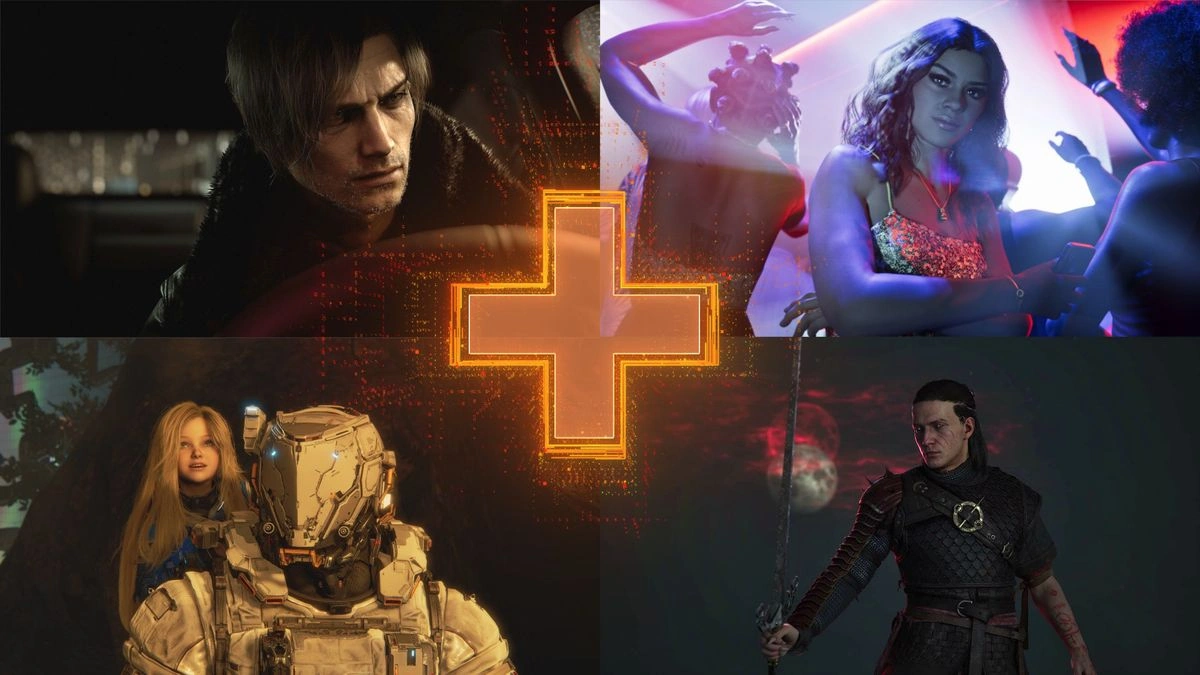
February, historically, has often been a bit of a quiet period in the gaming world. A breather after the holiday rush, a calm before the spring storm of big releases. But let me tell you, February 2026? It was anything but calm. It was a month that stirred the pot, delivering some truly breathtaking experiences while also serving up a few head-scratchers that left us asking, “What were they thinking?” As a long-time gamer and industry observer, what fascinated me wasn’t just what landed, but why these particular games succeeded or failed so spectacularly. It offers a fascinating glimpse into the gaming industry trends that are shaping our future.

This isn’t just a list; it’s an excavation. We’re digging into the hidden context, the developer choices, and the player expectations that converged to make February 2026 a month we won’t soon forget. So, grab your favorite brew, because we’re about to break down the highs and the undeniable lows, and what it all means for our screens, our wallets, and our precious free time.
The Triumphs of February 2026 | Unpacking the “Best”


Let’s start with the good stuff, shall we? Because when games hit just right, it’s pure magic. February 2026 brought us some truly shining examples of what happens when vision, execution, and a deep understanding of the gaming community come together. These were the titles that genuinely delivered on the promise ofnext-gen gaming experiences, not just with flashy graphics, but with soul.
1. ‘ChronoEcho | Fractured Timelines’ – The Narrative Masterpiece
This one, oh man, this one. ‘ChronoEcho’ wasn’t just a game; it was an emotional journey. What worked so well was its audacious narrative design. Instead of a linear story, it presented a “fractured” timeline where player choices in one era dramatically altered events in another, forcing you to constantly rethink your past decisions. The developers didn’t just tell a story; they gave us a loom and asked us to weave it ourselves. This approach to player agency and the sheer depth of its world-building truly set a new bar for interactive storytelling. It really tapped into something primal about wanting to see the consequences of your actions, big and small. This is why it quickly became one of thebest video games February 2026.
2. ‘Aetherbound Ascendant’ – The Unexpected Indie Darling
Now, ‘Aetherbound Ascendant’ was an interesting case. It wasn’t a massiveAAA gamewith a multi-million dollar marketing budget. No, this was anindie darlingsthat snuck up on everyone, grabbing attention through word-of-mouth. Its success boiled down to incredibly tightgame mechanicsand a deceptively simple premise: a rogue-lite platformer with an emphasis on environmental puzzle-solving and fluid combat. But the why it resonated? The art style, a hand-drawn marvel, combined with a perfectly balanced difficulty curve that always felt challenging but fair. It understood its scope and polished every single pixel within it. This game proved that innovation doesn’t always need a giant budget; sometimes, it just needs a brilliant idea executed flawlessly.
3. ‘Quantum Forge Saga | Reborn’ – The Technical Marvel
Finally, we have ‘Quantum Forge Saga: Reborn’. This game, frankly, just felt good. It was the kind of game that truly leveraged the power of the latestnext-gen consolehardware. The textures, the lighting, the sheer scale of the environments it was all breathtaking. But the ‘why’ here is deeper than just pretty graphics. The development team clearly prioritized optimization and stability from day one. There were barely any launch bugs, frame rates were buttery smooth, and load times were practically non-existent. In an era where many major releases stumble out of the gate, ‘Quantum Forge Saga: Reborn’ was a masterclass in technical achievement and respect for the player’s time and investment. It set a new standard for what we should expect from big-budgetnew game releases.
The Stumbles of February 2026 | Dissecting the “Worst”
And now, for the flip side of the coin. It pains me to talk about these, because you always want every game to be great, right? But some titles inFebruary 2026 titlesjust missed the mark sometimes spectacularly. These weren’t necessarily “bad” games in the traditional sense, but they were deeply disappointing, often for reasons that felt entirely preventable. Let’s explore why they stumbled.
1. ‘Void Strider X’ – The Broken Promise
‘Void Strider X’ was arguably the most anticipated game of February 2026. The hype train was a bullet train, fueled by incredible pre-release trailers and developer diaries promising a groundbreaking open-world sci-fi adventure. So, what happened? It’s a classic case of overpromising and under-delivering. The final product was a buggy, unoptimized mess. Features teased extensively were either absent or severely watered down. It felt like the developers had a fantastic vision but completely underestimated thegame development challengesinvolved in bringing it to life. Theplayer feedbackwas immediate and brutal: this wasn’t the game they were sold. This is a prime example of one of theworst video games February 2026.
2. ‘Mythos Crucible’ – The Uninspired Sequel
Then there was ‘Mythos Crucible’. The previous installment in this fantasy RPG series was beloved, a cult classic. This sequel, however, felt like a cynical cash grab. The core issue? A profound lack of innovation. It played almost identically to its predecessor, but with less compelling characters, a weaker story, and a slew of aggressive microtransactions for cosmetic items that felt completely out of place for the series. It seemed like the developers mistakenly believed that simply more of the same, with updated graphics, would satisfy a fanbase that craved evolution. They completely misjudgedplayer expectationsfor growth and progression, both in narrative andgame mechanics.
3. ‘Farmstead Fiasco 2026’ – The Unfinished Release
And finally, ‘Farmstead Fiasco 2026’. This game, a supposedly charming farming simulator, was released in a state that can only be described as alpha maybe even pre-alpha. Glitches abounded, save files corrupted, and key features promised for launch were “coming soon” via patches. It was a stark reminder of the immense pressure developers face to hit release dates, often at the expense of quality. The why here points to potential publisher pressure or an overly ambitious development cycle without the necessary resources. It simply wasn’t ready, and players paid the price for a rushed product. This is why it features on our list of theworst video games February 2026.
Beyond the Headlines | What February 2026 Tells Us About Gaming Industry Trends
So, what can we glean from this mixed bag ofFebruary 2026 titles? It’s more than just individual successes or failures; it’s a window into the evolving landscape of interactive entertainment. For one, the month highlighted the intense scrutiny on launch day performance. ‘Quantum Forge Saga’ proved that a stable, polished release can generate immense goodwill, while ‘Void Strider X’ showed that even massive hype can’t save a broken game. Players are more discerning than ever, and frankly, we’re tired of being beta testers for full-priced games.
Another key takeaway is the continuing battle between innovation and iteration. ‘ChronoEcho’ dared to be different and reaped the rewards, while ‘Mythos Crucible’ played it too safe and suffered for it. This suggests that while franchises remain popular, there’s a growing appetite for genuine new ideas, especially in a world flooded with sequels and remasters. The success of anindie darlingslike ‘Aetherbound Ascendant’ further reinforces this point smaller studios can still carve out significant niches with unique concepts and meticulous execution. The entire ecosystem ofnew game releasesis shifting, and it’s exciting to watch.
Looking Ahead | March 2026 and the Evolving Landscape of Video Game Reviews 2026
As we roll into March 2026, the ripple effects of February’s releases are undeniable. Developers are surely watching closely, internalizing the lessons both good and bad. The pressure to deliver complete, polished experiences is mounting, and the consequences of failing to do so are becoming more severe in terms ofplayer feedbackand long-term sales. This isn’t just about avoiding a bad review; it’s about building and maintaining trust with a passionate, vocalgaming community.
I also think we’re going to see a continued emphasis on transparency in development. Games like ‘Farmstead Fiasco’ erode faith, and studios that are open about their challenges and development cycles even if it means delaying a release will gain a significant advantage. The truth is, the landscape forupcoming game releases February 2026set a high bar for polish, and a very low one for unfulfilled promises. It’s a good reminder that while we, as players, want games now, we want good games even more.
Frequently Asked Questions About February 2026 Titles
What makes a game one of the “best” in February 2026?
The “best”February 2026 titlesoften combine innovative gameplay, compelling storytelling, technical polish, and strong player engagement. They push boundaries while delivering a stable, enjoyable experience from day one.
How can I avoid purchasing potentially “worst” video games February 2026 titles?
To avoid disappointment, always check multiple reputablevideo game reviews 2026from various sources, watch raw gameplay footage, and pay attention to early access or launch dayplayer feedback. Pre-ordering is risky!
Were there any unexpected hits or misses among the new game releases?
Absolutely! ‘Aetherbound Ascendant’ was a surprise indie hit due to its tight mechanics and charming art, while ‘Void Strider X’ was a major letdown for many due to numerous technical issues and unfulfilled promises. Sometimes, even the most anticipated titles can surprise us, for better or worse. You can often find discussions about these kinds of surprises in various gaming communities, like an Esports Club open house might foster.
What role did game development challenges play in the performance of these games?
Game development challengesplayed a huge role, especially for the “worst” titles. Issues like rushed development cycles, ambitious scope without adequate resources, and a lack of proper QA testing led to many of the technical problems and unfinished features seen in disappointing releases.
February 2026, when you really get down to it, wasn’t just another month on the gaming calendar. It was a vivid lesson, a loud statement on the state of our beloved hobby. It showed us that hype is fleeting, but genuine quality whether through narrative depth, mechanical mastery, or sheer technical excellence endures. It reminded us that the industry, for all its colossal budgets and technological marvels, still hinges on the simple act of crafting compelling experiences for us, the players. And that, my friends, is a truth worth remembering as we look to what comes next.


